I read Esther Perel’s Entre Nous newsletter this week and one idea stayed with me:
“Disagreement challenges your interpretation. Gaslighting erodes your authority to have one.” (Entre Nous Community Member ‘Corolla’)
That distinction feels important.
Not every argument, misunderstanding, or painful mismatch in perspective is gaslighting. Sometimes people remember things differently. Sometimes a conversation is uncomfortable because it is asking something honest of us. Sometimes we are triggered and are looking through a past painful lens and can come back to a rational discussion after a ‘circuit break’.
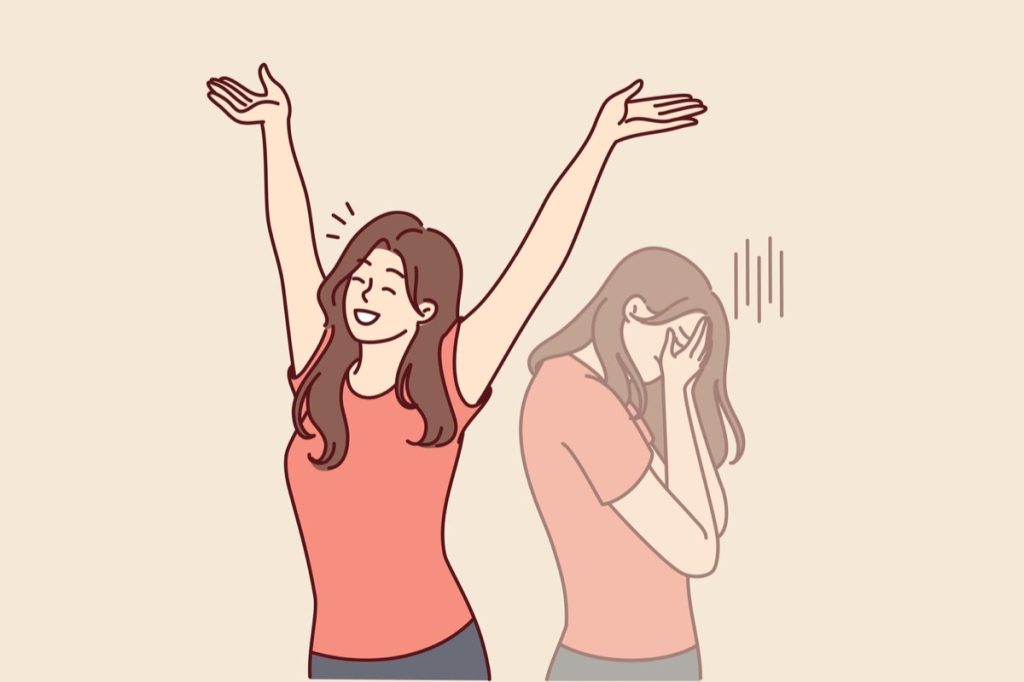
At the same time, gaslighting is real. It becomes something more corrosive when someone is repeatedly made to defend their right to feel, remember, notice, or be affected by what happened. Their legitimate concern is turned back on them in a blaming way to avoid discussing the real issue or taking accountability. The way it is done makes them question their reality. It is erosive over time and to survive it they have to whittle down parts of themselves and lose trust in themself. They have to forfeit their right in submission to the other.
The term comes from Patrick Hamilton’s 1938 play Gas Light, where a husband deliberately alters his wife’s surroundings—dimming lights, hiding objects, and denying what she notices—then presents her perception as evidence that she is unstable. His behaviour is not simply a competing viewpoint; it is intentional psychological abuse.
That distinction matters. People often remember selectively, defend themselves, downplay, exaggerate, or insist on their own version of events. Two people may sincerely recall the same situation differently. By itself, that is not gaslighting; it becomes closer to gaslighting when it occurs within a pattern of control, unequal power, or reduced agency.
Where I think we need more care is in the way pop psychology language has become mainstream shorthand. These words can help people name real harm, but they can also become unfair when they are used too quickly. There is a lot of ‘name it and claim it’ accusation masquerading as truth.
Not everyone who says something hard is bullying us. Not every difficult person is a narcissist. Not every conversation we dislike means we are being gaslit.
When psychological terms become weapons, they can shut down objective reasoning. Instead of asking, “Is this true? Is this fair? What actually happened?” we can jump straight to a label — and the label ends the conversation.
That does not mean we should ignore harmful patterns. It means the language deserves care. The more powerful the term, the more carefully we should use it.
A few signs a disagreement may be becoming something more damaging:
- You remember something differently, and it becomes “you can’t trust your memory.”
- You express hurt, and the focus shifts to why your reaction is the real problem –“You’re too sensitive”.
- You raise a concern, and suddenly you are defending your character instead of discussing the behaviour.
- When an expressed need becomes “you’re selfish”
- When it’s not all about the other person and you need something “You never support me”
- You feel increasingly isolated from people who might help you reality-check what is happening.
For me, the useful question is not whether we can diagnose someone else from a distance. It is whether there is room for both people’s experiences — and whether we can stay curious enough to separate discomfort from harm.
Healthy relationships do not require perfect agreement. They do require a basic willingness to say: “That is not how I understood what happened, but I want to understand.”
A prompt I’m sitting with:
Is harm being named clearly — or is a label being used to avoid reasoning through something difficult?
If this resonates, I’d be interested in how others hold the balance between naming harmful patterns and not overusing psychological labels.
Source/credit: Inspired by Esther Perel’s Entre Nous newsletter, “Letters From Esther: When Their Reality Swallows Yours,” by Esther Perel and Mary Alice Miller. (on Substack)